Common Burdock Arctium minus Aster family (Asteraceae)
This native of Europe is now established across the United States. The burrs are well-known to dog owners as they become deeply ensnared in an animal's coat. Burdock is considered one of the foremost "detoxifying" in herbal medicine. The Great Burdock (A. lappa) has larger, flowerheads. The Common Cocklebur (Xanthium strumarium) is another large burr-producing plant, though its burrs are to a -like seed case.
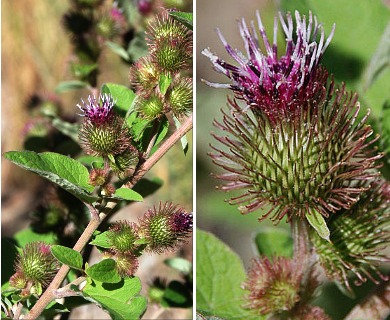
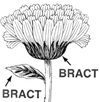
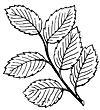
Large-leaved non-native , 3-8' tall, with pink-purple round burr-like flowerheads borne in leaf axils or at end of branches. Flowerheads comprised of only disk flowers amid overlapping with narrow inward-pointing hooks. , egg- to heart-shaped, broadest at the leaf base. First-year plant is a of large thick-hairy leaves. Second year growth is an erect, many-branched stem. are enclosed in prickly brown burrs.