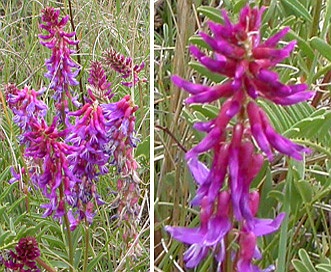
Two-grooved Milkvetch is a large showy plant growing to several feet tall and wide and producing hundreds of flowers. It is also a real stinker as it almost always grows on Selenium soils and exudes a strong odor. The was named by Linnaeus in 1753; the word "Astragalus" means "ankle bone" in Greek and is an ancient Greek plant name perhaps given because of the seed shape in some members of the Astragalus or because the Greeks used rattling bones for dice and the sound made is similar to the rattling of dry Astragalus seeds in the pod. William Jackson Hooker named this plant in 1831 from a specimen collected by Thomas Drummond on the "Plains of the Saskatchewan" around 1826. "Bisulcatus" is Latin for "two-grooved" and refers to the deep grooves on both sides of the seed pod.
This species has, according to John Kartesz, two varieties: bisulcatus and haydenianus. However, Colorado flora expert Bill Weber considers these to be two distinct species.
Description
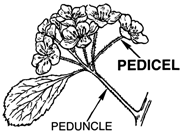
, with stems to 2 1/2' tall, spreading from roots. Leaves to 6+" long. 15-35, 1/5-1+" long, less than 1/2" wide. 1-5" long. 25-80 flowered, flowers at first erect in bud and then drooping, pedicles very short. Flowers 1/3 to 3/4" long light yellow, white, white tinged pink, tinged purple depending on location and variety. Pods with about as long as tube, , hairy or , and with two grooves ("bisulcate").