Sugar Bowls
Clematis hirsutissima
Buttercup family (Ranunculaceae)
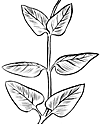
Like the Pasqueflower, Sugar Bowls are early bloomers and only the feathery seed plumes will greet many visitors. Pasqueflowers bloom earlier, do not have opposite stem leaves, and are usually at higher colder elevations. Because it often grows in deep vegetation, Clematis hirsutissima is easily overlooked. Once sighted, however, it is unmistakable and unmatchable. Erect slim stems produce small, airy leaf clusters. The stems are topped by a flanged, upside down flower bowl of deep, silvery purple. The silvery glisten to the flower is the result of a myriad of very fine hairs. The flower gives way to a feathery swirl of seed pods that always attracts more attention than the flower. Frederick Pursh named this species in 1814. Hairs covering the flower and its give rise to its species name: "hirsutissima," "very hairy." "Cori" is Greek for "leathery," referring to the texture of the flower.
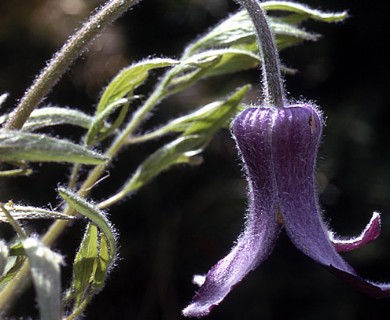
©1973 JW Stockert, National Park Service