Al Schneider's Rocky Mountains Plant Descriptions

Rubber Rabbitbrush
Ericameria nauseosa
Aster family (Asteraceae)

Rubber Rabbitbrush is very common, especially in the foothills where it spreads quickly onto barren, sandy soils. It is a highly variable species with at least a dozen varieties in the Colorado Rockies region. There are at least 6 other species of Ericameria or Chrysothamnus in our area. One of them, Green Rabbitbrush (C. viscidiflorus), with brittle and hairless (not felt-like) twigs is found in more undisturbed habitats throughout the West. ("Viscidiflorus" means "sticky flowered.")

The plant has been used as a form of chewing gum. It also contains latex. The first specimens of Rubber Rabbitbrush were collected for science by Meriwether Lewis along the Missouri River, probably in 1806. "Nauseosus" means "heavy scented." Famed 19th century botanist Thomas Nuttall gave the name from the Greek "ereike" (heath) and "meris" (part), referring to the heath-like leaves.

©2005 Matt Lavin

Description

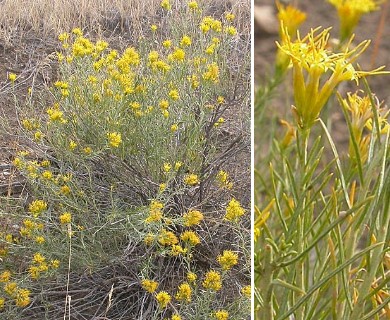
shrub, to 8' tall, densely branched with flexible twigs covered with gray felt-like hairs, especially prominent on young twigs. , , 1-3 veined, velvety and gray. Several flowerheads in rounded slightly clusters at branch tips. Yellow disk flowers with rounded or abruptly pointed (not-green tipped). are , hairy with of white hairs.

Field Marks

Yellow disk flowers and flexible twigs covered with gray felt-like hairs.

© Al Schneider

linear -- Long and very narrow like a blade of grass.

achene -- a type of simple dry fruit produced by many species of flowering plants. For example, a rose hip holds a few achenes.

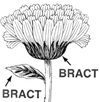
Bracts are modified leaves associated with a flower.

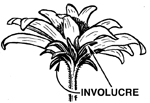
Involucre is the name given to the circle or spiral collection of bracts around a flower-cluster.

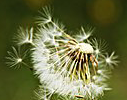
pappus -- Small scales, bristles or hairs at the top of the seed in Asteraceae. For example, dandelion parachutes. Plural: pappi.

Deciduous plants are those that lose all of their leaves for part of the year.

fruit -- any seed-bearing structure in flowering plants. It is formed from the ovary after flowering.

elongate -- long and thin, slender.

genus -- A subdivision of a botanical Family in which all members have a significant number of similar characteristics.

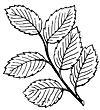
leaves alternate along the main stem and are attached singly.