Curlycup Gumweed Grindelia squarrosa Aster family (Asteraceae)
The name "Gumweed" is apt, as the upper portions of the plant are quite sticky from the hairs that abound. Another common name for this plant is "rosin weed." The plant has numerous traditional applications, including treating poison ivy blisters and bronchial asthma. "Grindelia" honors David Grindel, Russian chemist, pharmacist, and doctor. "Squarrosa" is Latin for "scaly or rough." Meriwether Lewis collected this plant for science on the banks of the Missouri River, probably in 1806, and Frederick Pursh named it Donia squarrosa in 1814. It was renamed Grindelia squarrosa by Dunal in 1819.
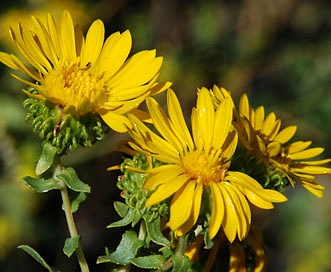
Highly aromatic, sticky or short-lived often shrubby , 8-23" tall. Numerous yellow flowerheads consisting of 25-40 rays with disk flowers in the center. Each flowerhead has overlapping rows of very obvious backward-curling green . Leaves are , hairless, , and often dotted with resinous .
A perennial plant lives and blooms for many years.
A herb is a plant whose stems die back to the ground in the winter.
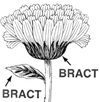
Bracts are modified leaves associated with a flower.
Glands are plant structures that secrete liquids, salts or other substances.
Glands often appear as hairs with a drop of liquid at the end.
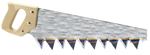
Like the teeth on a saw, leaves and other surfaces can have toothed edges.
biennial -- a plant which lives for two years, producing a basal rosette of leaves
the first year and a full plant, flower, and seed the second year followed by
the death of the entire plant at the end of the second year.
oblong -- Having an elongated form with somewhat parallel sides. Rectangular.