Al Schneider's Rocky Mountains Plant Descriptions

Silvery Lupine
Lupinus argenteus
Pea family (Fabaceae)

Iconic wildflowers of the West with bold flower and attractive fan-shaped leaves, numerous species of Lupinus are found in the Colorado region -- all readily identified as lupines but identified to the species only with patience. Silvery Lupine is one of the most common species in the region. Plants in the Lupinus, especially their seeds, can be toxic to humans and animals if ingested. Linnaeus named this in 1753. "Lupinus" (Latin for "Wolf") was so named because of the erroneous belief that the species degraded land. "Argenteus" is Latin for "silvery."
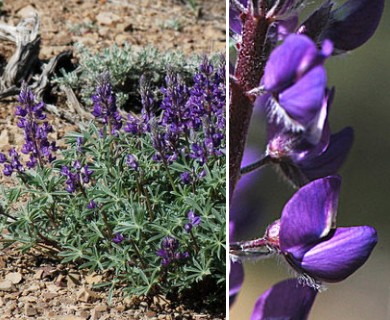

©2009 Gary A. Monroe

Description

, to 36" tall, with one-to-several, occasionally branched stems, covered with hairs and topped with long, showy of flowers which are blue to purple, sometimes pink, at times white or bi-colored; in conical clusters atop stems, clusters to over 12" long. , , , and silvery-green. Leaves, stems, seedpods, and are silver-hairy. Seeds in hairy pods.

Field Marks

Blue-purple flower ; silver-hairy leaves.

© Al Schneider

palmately compound -- Leaflets radiate from the base of the leaf.

A perennial plant lives and blooms for many years.

A herb is a plant whose stems die back to the ground in the winter.

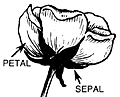
Usually green, sepals typically function as protection for the flower in bud, and often as support for the petals when in bloom.

stalk -- The supporting structure of an organ. Examples of stalks are stem, peduncle, petiole, ...

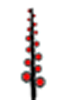
A spike is an unbranched, indeterminate inflorescence in which the flowers are without stalks.

whorled -- The leaves are arranged in whorls of 3 or more leaves along the stems of a plant.

genus -- A subdivision of a botanical Family in which all members have a significant number of similar characteristics.

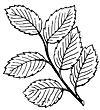
leaves alternate along the main stem and are attached singly.