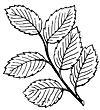
Alpine Pennycress
Noccaea fendleri
Mustard family (Brassicaceae)
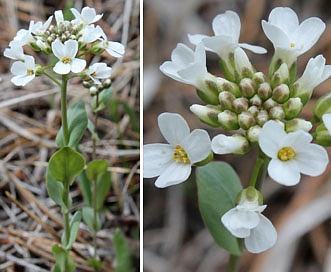
Although a slim, small plant, Wild Candytuft (Noccaea fendleri) is noticeable for several reasons: It often grows in large patches providing a carpet of white flowers; it commonly grows with few other plants around it; and you see it all spring and summer as it follows you in flower from low canyons and foothills early in the spring to high mountains and all summer. Candytuft often begins flowering when only one inch tall and the flower elongates and continues to produce flowers as the plant matures. Flowers are intensely white with green to purple . The flattened shape of the seed pod, its pointed at the tip, horizontal growth, and color are all key factors in identifying Wild Candytuft. In the high desert west of our apps range, it is easy to mistake Wedge-leaf Draba (Draba cuneifolia) for Wild Candytuft. The name, "Noccaea," was given in 1802 by German botanist Conrad Moench to honor the Italian clergyman and botanist, Domenico Nocca.
©2014 Steve Sullivan