Al Schneider's Rocky Mountains Plant Descriptions

Mountain Lover
Paxistima myrsinites
Bittersweet family (Celastraceae)

Mountain Lover is a shrub found in many forested and habitats throughout western North America. Mountain Lover often goes unnoticed at first glance as it hugs the ground or grows under trees and taller bushes. Its tiny new leaves are a light yellow/green, changing to a shiny, deep, luxuriant green when they mature. If you get down on your knees you will find, tucked into the leaf axils, tiny tubular flowers with red, flared petals. Mountain Lover is considered important forage for deer, elk, and moose. Meriwether Lewis collected the first specimen of this plant for science in the Rockies in present-day Idaho in 1806. "Paxistima" is Greek for "thick "; "myrsinites," Greek for "myrtle," was applied to Mountain Lover for its resemblance to members of the Myrtle Family (Myrtaceae).


©2014 Susan McDougall, Trees Live Here.
Description

Low-growing shrub, 8-20" tall, bushy with 4-sided red brown stems. Leaves small, , to oval, glossy, leathery, and sharply . Flowers are very small, red tubular, in clusters tucked into leaf axils. Flared petals. are 1-2 seeded with white, fleshy coating.

Field Marks

Low-growing shrub with leaves and small clusters of maroon flowers growing from leaf axils.

© Al Schneider

An evergreen tree retains a large portion of its green leaves all year.

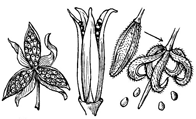
capsule -- a type of simple, dry fruit produced by many species of flowering plants. In most cases the capsule splits apart to release seeds.

shrubland -- Arid lands characterized by shrubs, grasses and a lack of trees.

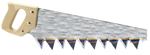
Like the teeth on a saw, leaves and other surfaces can have toothed edges.

fruit -- any seed-bearing structure in flowering plants. It is formed from the ovary after flowering.

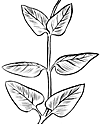
In an opposite leaf arrangement the leaves come in pairs with one leaf on each side of a stem.

elliptic -- Oval, with no point or a very short point.

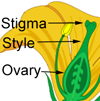
stigma - The tip of a pistil that receives the pollen.