Al Schneider's Rocky Mountains Plant Descriptions

Thimbleberry
Rubus parviflorus
Rose family (Rosaceae)

Thimbleberry is in the same , Rubus, as Raspberry (Rubus idaeus) and various blackberries, but its simple, undivided leaves and thornless stems distinguish it. The is eaten by range of animals including grizzly bears. Linnaeus named the Rubus in 1753. Thomas Nuttall was the first to collect this species for science; he found it in 1811 on an island in Lake Huron. Strangely, "Parviflorus" means "small flowered," which Thimbleberry flowers definitely are not.

©2008 Walter Siegmund
Description

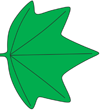
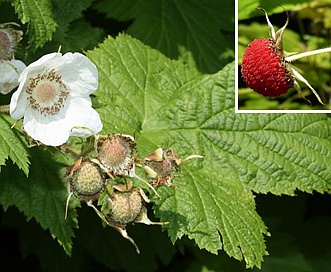
shrub, 2-6' tall, with no on stem. Alternate, large, maple-like leaves are and , up to 10" wide. Large white, saucer-shaped flowers are up to 2" wide, with 5 "crinkled" petals on long stem. resembles dull-colored raspberry. Plants often form dense thickets.

Field Marks

Maple-like leaves, white papery flowers, raspberry-like , no or prickles.

© Al Schneider

spine -- a stiff, sharp structure formed by the modification of a plant organ that contains vascular tissue. A spine can be formed by a latteral branch, a modified leaf or a thorn.

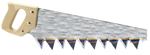
Like the teeth on a saw, leaves and other surfaces can have toothed edges.

Deciduous plants are those that lose all of their leaves for part of the year.

fruit -- any seed-bearing structure in flowering plants. It is formed from the ovary after flowering.

genus -- A subdivision of a botanical Family in which all members have a significant number of similar characteristics.

palmately lobed -- with lobes spread radially from a point.